Lighting Application Engineer
Clarifies the lighting objective
Reviews the customer request, visual goals, brightness target, CCT, CRI, diffusion, environment, and installation intent.
- Application goal
- Visual quality target
- Use conditions
AI-assisted solutions
Luma Matrix uses AI-assisted engineering agents to turn a customer request into a structured review across lighting application, electrical controls, mechanical integration, and product configuration.
AI-assisted agent workflow
Each agent reviews a different part of the system so the Luma Matrix team can identify constraints, missing details, and a realistic path toward a buildable custom light engine.
Customer Request
Requirements, constraints, drawings, target performance, and production goals.
Lighting Application Engineer
Reviews the customer request, visual goals, brightness target, CCT, CRI, diffusion, environment, and installation intent.
Electrical & Controls Engineer
Evaluates voltage, load, driver sizing, wiring distance, dimming approach, control method, and electrical constraints.
Mechanical Integration Engineer
Assesses dimensions, mounting surfaces, enclosure limits, bend radius, thermal path, service access, and assembly constraints.
Product Configuration Specialist
Maps the reviewed requirements to a product family, configuration options, open questions, and a practical prototype or production path.
Final Output
The output summarizes the recommended light engine platform, power and control direction, mechanical notes, open questions, and quote or prototype path for human validation.
How it works
The process turns customer requirements into structured design signals. That helps the Luma Matrix team see what is known, what is risky, and what needs review before prototype or production planning.
Dimensions, voltage, CCT, CRI, brightness, environment, controls, and production goals become the starting data set.
The review highlights missing requirements, electrical risk, optical constraints, thermal concerns, and manufacturing questions.
Outputs point toward a candidate light engine format, driver approach, control method, and mechanical integration path.
The AI-assisted review does not replace engineering signoff. It prepares a clearer request for human quote review.
System types
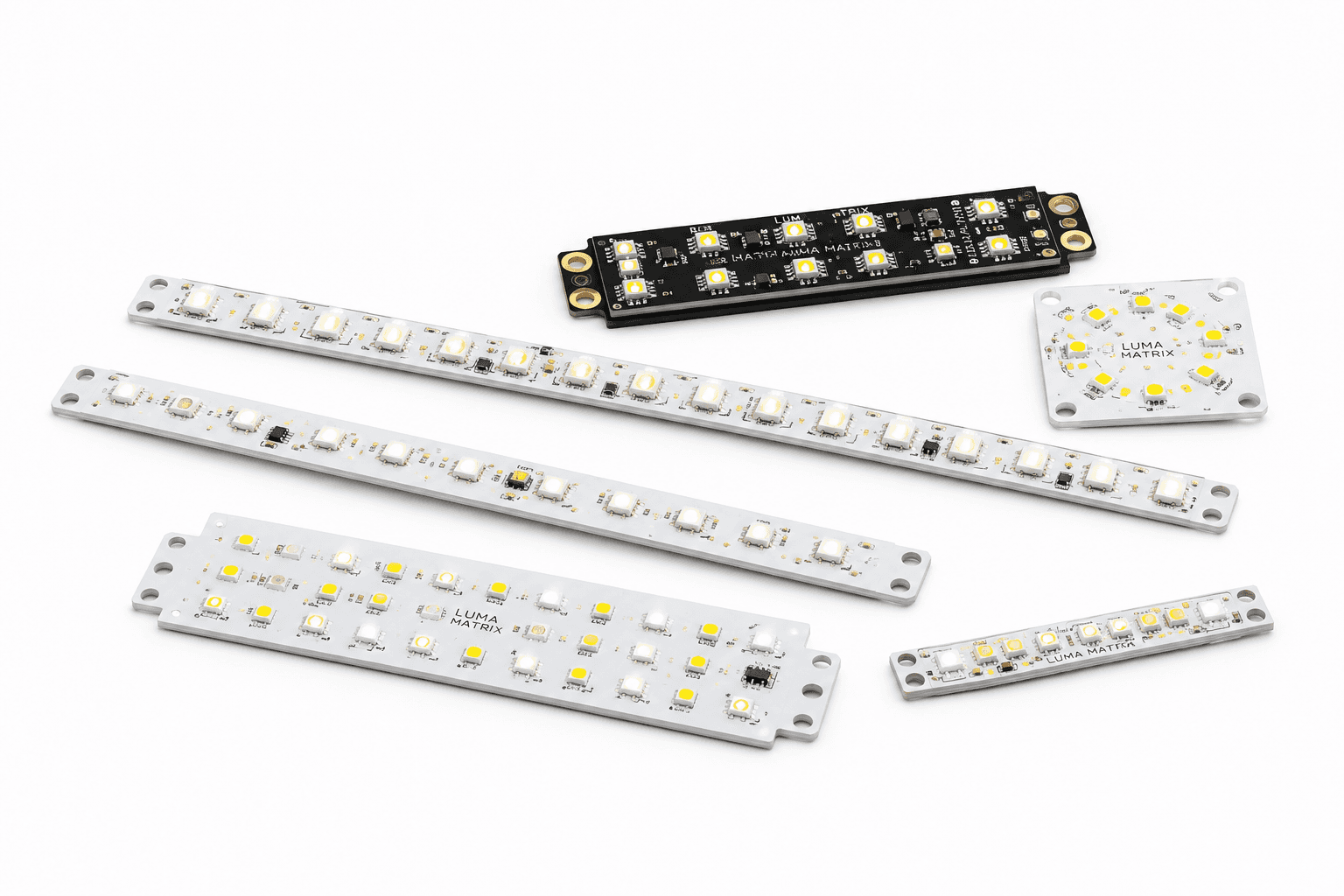
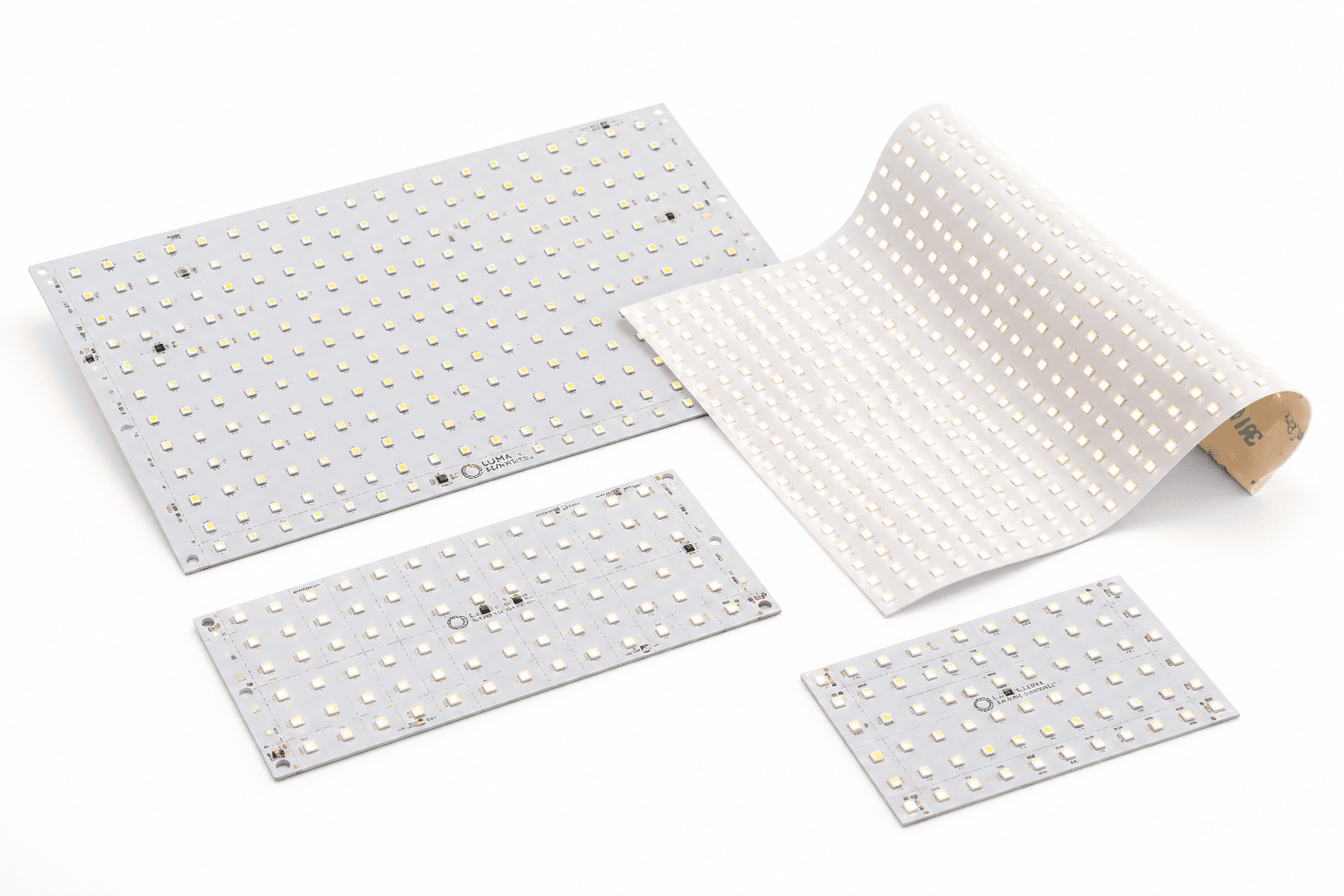
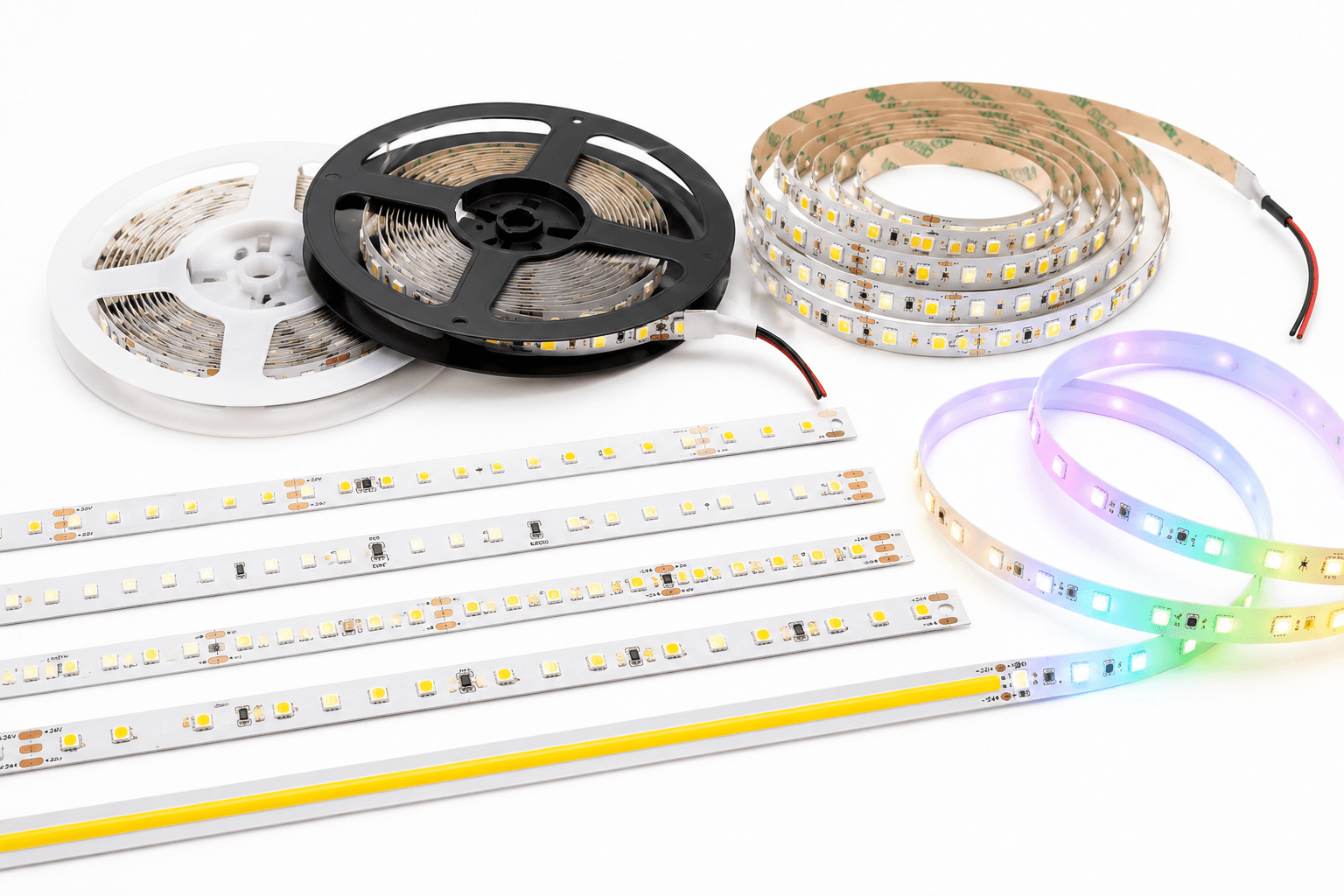
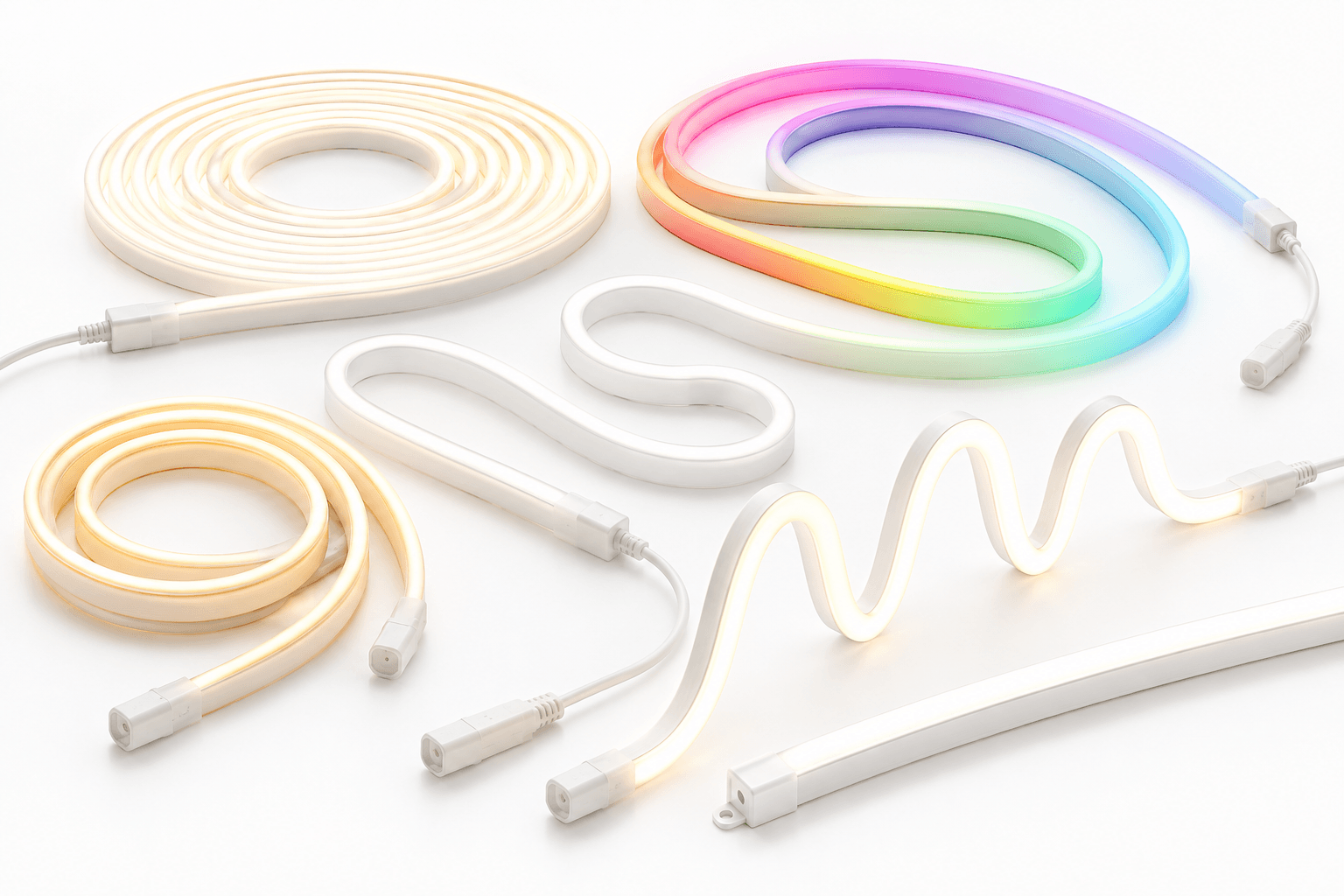
Most custom projects begin with a core format and evolve through electrical, optical, mechanical, and production review.
Build path
The current process uses AI to organize technical inputs and surface feasibility questions faster. Luma Matrix engineering validates the final build path before quote, prototype, or production decisions.